

Effective money management is crucial for long-term success in the stock market, as it enables you to have a mathematical edge in risk management.
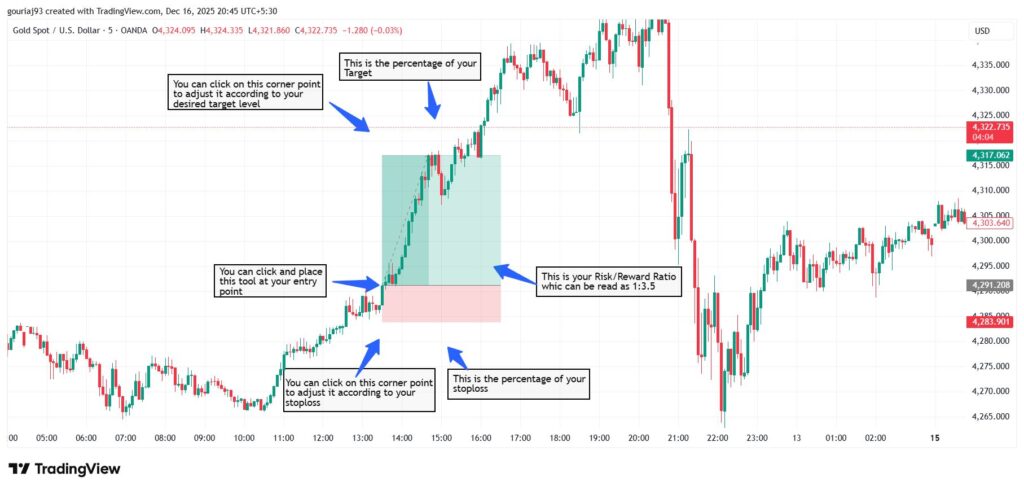
Tools of Money Management:
1) Stoploss: Stoploss must be logical & maximum 0.8% up to 0.5% is ok, 1% target is good
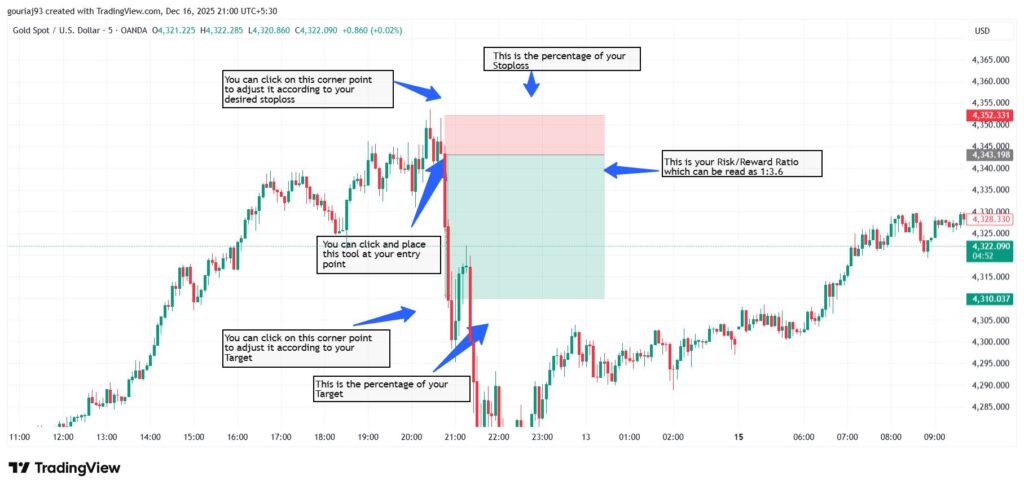
2) Risk to Reward Ratio: RRR(Risk to Reward Ratio) Must be at least 1:1.5 (example- 20rs risk, 25rs reward)
3) Risk Per Trade: Capital preservation is mandatory
You can have up to 2.5% RPT of your trading capital, Quantity = Risk per trade/ Stoploss number.
4) Risk Per Day: Maximum 2 stoploss per day
2.5% * 2 = 5% should be the maximum risk per day of your trading capital.
*FAQ (Frequently Asked Questions)
1) What is RRR?
Answer- RRR is nothing but the ratio of risk and reward that you will have in a trade.
2) What is RPT?
Answer- It is the amount or percentage of your capital you risk in a single trade.
3) What is position sizing?
Answer- Position sizing refers to the number of units invested in a particular stock or script by an investor or a trader.
4) What is RPD?
Answer- RPD is the amount or percentage of the capital you risk in a single day.
5) How much capital should we risk in a day?
Answer- We should only risk 5% of our capital in a single day following proper risk management rules.
6) How many stop losses for a day?
Answer- 2 stop losses for a day, don’t trade after two stoploss in a day.
7) What should be my minimum limit of RRR for a trade?
Answer: Your minimum RRR for trade should be 1:1.5.
8) What are the two mistakes that traders make while managing risk?
Answer- Traders should always avoid the two things: managing risk, and these are as follows:
1)Not putting the stop-loss order & 2)Placing the incorrect stop-loss order
9) What is Stoploss?
Answer- A stop loss can be defined as an advanced order to sell a stock/trading instrument when it reaches a particular price point. It is used to limit loss or gain in trade. The concept can be used for short-term as well as long-term trading. Stop-loss is also known as a ‘stop order’ or ‘Stop market order’. By placing a stop-loss order, the trader instructs the broker to sell a stock/trading instrument when it reaches a pre-set price limit, thereby reversing the trader’s initial trade idea if the market proves it wrong.
10) Where should we place stop-loss?
Answer- Stop-loss should be placed at a logical place. It can be any Pivot point, EMA, Fibonacci, Price action, etc., which will vary based on the existing price action and breakout /breakdown scenario.
11) What should be the ideal stoploss range for Equity/Nifty/Bank Nifty/Forex/Crypto?
Ideal Stoploss for Equity: 0.5% (good), 0.75% (ok), 1% (big- not ideal, opportunity)
Ideal Stoploss for Nifty: 50 points (good), 75 points (ok), 100 Points (big- not ideal, rare opportunity)
Ideal Stoploss for Bank Nifty: 100 Points (good), 150 points (ok), 200 points (big-not ideal, rare opportunity)
Ideal Stoploss for Forex/Crypto: Stoploss is not defined; the trader should follow the risk/reward ratio method. You should look for a logical stop-loss and accordingly take a 1:2 or 1:3 risk-to-reward ratio.
12) What is RRR good for in an intraday trade?
Answer- 1:2 is good for an intraday trade.
13) If I took 2 trades in a day, how much risk do I risk on each trade?
Answer- Depending upon your position, you can risk 2.5% of your capital in each trade.
We hope you like the above details regarding money management in the stock market. The above information is only for educational purposes; we don’t give any trading tips. For more related blogs, follow us at www.growthofindia.com